Fire Damage VIN Check

"Clean Title" doesn't mean fire-free. Check for fire damage and total-loss records.

  • Cross-referencing Damage History against Insurance and Salvage Records
  • 256-Bit Secure Encryption

What Fire Damage Means for the Vehicle

Fire damage is particularly insidious because its effects are progressive rather than immediate.

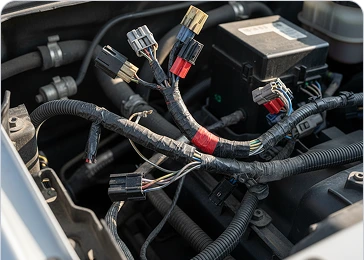
Wiring harness damage is the primary long-term risk

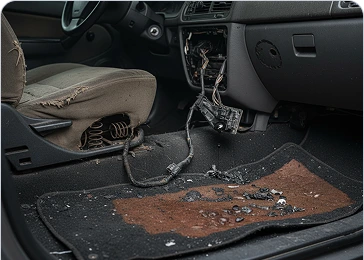
Modern vehicles have dozens of wiring harnesses running throughout the body, engine bay, and undercarriage. Heat degrades the insulation on individual wires without severing them. The wire continues to function until it does not. Intermittent electrical faults, sensor failures, and in some cases secondary fires result from heat-degraded wiring that was not replaced during repair.

Hidden Electrical Failures

Fire suppression chemicals accelerate corrosion

The dry chemical agents used in fire suppression are corrosive when wet. A vehicle that was subjected to fire suppression, even a minor under-hood fire extinguished with a portable extinguisher, has chemical residue in crevices and on surfaces that corrodes metal over time if not thoroughly cleaned.

Chemical Corrosion

Hidden structural damage from heat

Metal exposed to fire loses temper and strength at temperatures well below those required to visibly deform it. A structural member that looks undamaged may have reduced load-bearing capacity after significant heat exposure. This is a primary reason insurers total-loss vehicles after significant fires.

Heat-Weakened Structure

Odor recurrence is persistent

Smoke odors penetrate foam, carpet backing, headliners, and HVAC ducting. A thorough detail job eliminates the surface odor. Warm temperatures, humidity, and use of the climate system cause odors to recur from materials that were not replaced. Buyers often discover this weeks after purchase when the problem cannot be returned to the seller.

Odor Comes Back

How to Spot It Manually

Fire damage that was not fully remediated leaves physical evidence. These indicators are worth checking on any vehicle with unknown history:

Burn marks in hidden areas

Burn marks in hidden areas

Check under the seats, inside door panels if accessible, under the dashboard, and in the trunk for discoloration, charring, or melted materials that would not be visible to a casual buyer. These areas are frequently not addressed in a cosmetic cleanup.

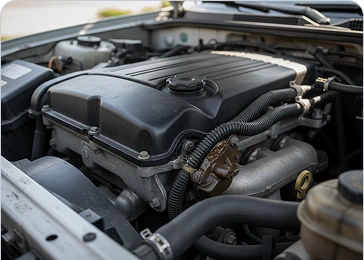
Melted or deformed plastic under the hood

Melted or deformed plastic under the hood

Open the hood and look at plastic covers, wiring harness conduits, and sensor housings near the engine. Plastics deform at relatively low temperatures. Melted, warped, or replaced plastic components in the engine bay that are inconsistent with the vehicle's age and mileage are a reliable indicator of prior fire exposure.

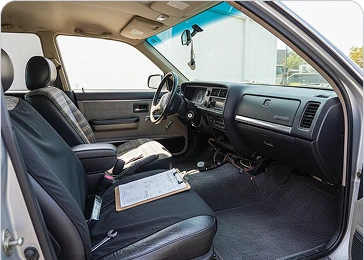
Mismatched interior components

Mismatched interior components

If sections of the interior, including carpet, headliner sections, and door panels, are noticeably newer or different from adjacent components, they may have been replaced after a fire. A headliner that is newer than the rest of the interior, or carpet that does not match in wear or color, warrants further investigation.

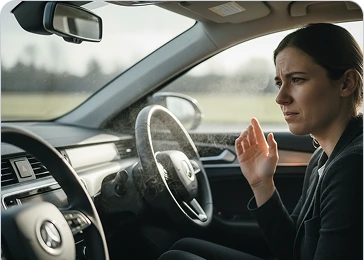
HVAC odor test

HVAC odor test

With the vehicle warm, run the climate control system on recirculation for several minutes, then switch to fresh air. Persistent smoke or chemical odors in the air output indicate that the evaporator, ducting, or cabin air system was not fully addressed in the repair.

Wiring harness inspection

Wiring harness inspection

In the engine bay and under the dashboard, look for wiring harness sections that have been replaced, spliced, or taped in ways inconsistent with factory assembly. Replaced sections that do not match the factory harness routing or connector style indicate prior electrical repair that may or may not have addressed the full extent of the damage.

The "Event History" Check

Don't just list dates. Use our Event History check to connect title, insurance, auction, and registration records.

Event History Sample Data

2019 MAZDA-CX-7

Last reported color Mountain Air Metallic

Last reported mileage 109 miles in Apr 2007

2019 MAZDA-CX-7

Car History

Prior title and registration events

Record History

Fire damage, insurance, and auction records

The Intersection

Bumper connects records that may not appear on the current title.

How Bumper Checks for Fire Damage

Cosmetic repairs can hide the visible evidence of fire damage, but the data trail is more difficult to obscure.

Insurance total-loss records

Vehicle fires, particularly those resulting in significant damage, frequently trigger insurance total-loss claims. These claims are reported to national insurance databases regardless of whether the vehicle was subsequently repaired and resold. Bumper pulls from this data to surface fire-related total-loss designations.

Auction damage disclosures

Vehicles with fire damage that pass through wholesale or salvage auctions have condition reports that disclose fire damage. These disclosures are independent of the title record and are captured in Bumper's auction data.

Title brand history

Some states apply specific title brands for fire-damaged vehicles. Bumper's cross-state title tracking surfaces these brands even when they were removed through retitling in a more lenient state.

NMVTIS records

Vehicles processed through salvage yards or junkyards after a fire are reported to NMVTIS under federal law. This creates a record that persists regardless of subsequent title transfers.

Physical Signs of a "Fire Damage" Car

1

Burn marks or discoloration in hidden areas (under seats, inside door panels)

2

Melted or warped plastic components under the hood

3

Smoke staining on the headliner, and acrid smell in the HVAC system.

Has this car been in a fire?

Enter the VIN to check for fire damage records, insurance total-loss designations, and auction disclosures.

Run a free fire damage check

Frequently Asked Questions

It depends entirely on the extent and nature of the fire. A minor under-hood fire that was quickly extinguished with limited wiring damage may be properly repaired at a reasonable cost. A vehicle that sustained significant interior or structural fire damage involves wiring harness replacement, structural assessment, and material remediation that is expensive to do correctly and difficult to verify after the fact. The concern is not whether the repair was done, but whether it was done completely.

Fire damage hides in places a detail job does not reach.

Bumper cross-references insurance records, auction damage disclosures, and title history to surface prior fire damage before you commit to a purchase.

Run a Bumper Fire Damage Check