Salvage Title VIN Check

"Clean Title" doesn't always mean clean history. Check for salvage, rebuilt, and total-loss records before you buy.

  • Cross-referencing Title History against NMVTIS and Total-Loss Records
  • 256-Bit Secure Encryption

What a Salvage Title Means for the Vehicle

A salvage designation tells you the vehicle sustained damage serious enough that an insurer decided paying out the claim was cheaper than paying to fix it. What it does not tell you is what actually happened. A salvage title can result from a severe collision, a flood, a fire, hail damage, or theft recovery. The specific cause matters enormously for what you should expect from the vehicle going forward.

Rebuilt titles carry ongoing consequences

A vehicle that was salvaged and subsequently repaired receives a rebuilt title, which follows the car permanently. Most lenders will not finance a rebuilt title vehicle, and most insurers will not offer comprehensive coverage on one. Resale value takes a permanent hit regardless of how well the repair was done.

Higher Risk

Repair quality is unverifiable from the title alone

A rebuilt title tells you the vehicle passed a state inspection after repair. It does not tell you who did the repair, what parts were used, or whether the structural integrity was fully restored. A vehicle with a rebuilt title after a major collision may drive normally and still have compromised crash protection.

Repair Uncertainty

Salvage vehicles have a higher subsequent total-loss rate

Insurance actuarial data consistently shows that previously salvaged vehicles are more likely to be totaled again. The combination of potentially weakened structure, used replacement parts, and deferred maintenance creates compounding risk.

Limited Financing

Title washing removes the paper trail

Not every state requires a salvage or rebuilt brand to transfer when a vehicle is retitled. A vehicle salvaged in Florida can be retitled in Georgia with no disclosure required. A Bumper report tracks the full title chain across state lines, not just the current registration state.

Hidden History

How to Spot It Manually

A physical inspection can reveal evidence of prior damage even when the title has been washed. These are the signs that survive a cleanup:

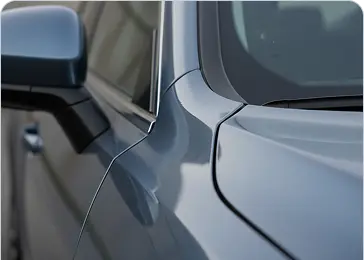
Panel gaps and alignment

Panel gaps and alignment

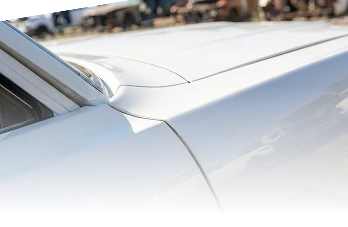
Stand at the front corner of the vehicle and sight down the length of the car. Panel gaps between the hood, fenders, doors, and quarter panels should be even and consistent. Gaps that vary in width, panels that sit higher or lower than their neighbors, or doors that do not close flush with the body are signs of prior structural repair or replacement.

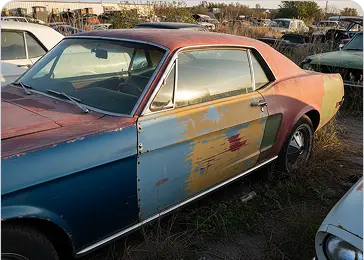
Paint inconsistencies

Paint inconsistencies

In direct sunlight, look for variations in paint color, texture, or sheen between adjacent panels. A repainted panel will often have a slightly different metallic flake orientation or orange-peel texture than the factory finish. Check the door jambs, which are rarely repainted, so a color mismatch between the door jamb and the door exterior suggests the exterior panel was replaced.

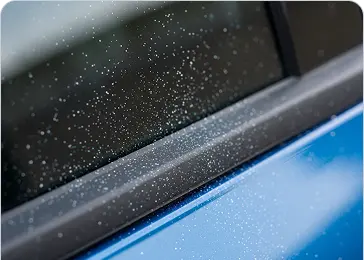
Overspray

Overspray

Check rubber door seals, window gaskets, plastic trim, and glass edges for paint overspray. Body shops mask these areas but rarely perfectly. Overspray on rubber seals is a reliable indicator of post-factory panel painting.

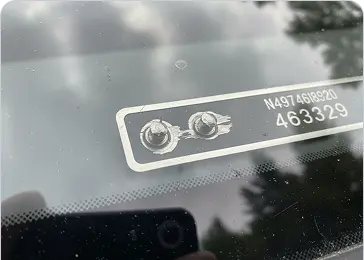
VIN plate integrity

VIN plate integrity

The VIN plate on the dashboard should be firmly riveted with factory-original fasteners. A replaced, re-riveted, or disturbed VIN plate is a serious warning sign that may indicate title fraud in addition to prior damage.

Trunk and floor pan

Trunk and floor pan

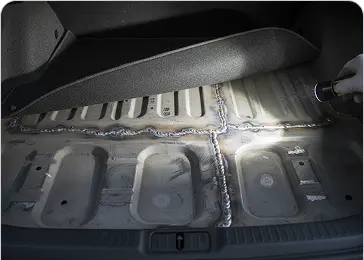
Open the trunk and lift the carpet. Look for evidence of welding, grinding, or new metal at the rear floor pan. In the passenger cabin, pull back the floor mat edges and look for similar evidence of metal repair or replacement.

Crumple zones

Crumple zones

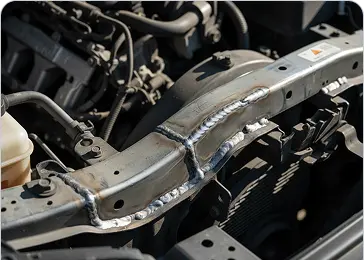
On modern vehicles, the front and rear crumple zones are meant to deform in a collision and be replaced, not straightened and reused. Evidence of straightening, patching, or new metal in the engine bay frame rails or rear frame rails indicates significant prior collision damage.

The "Event History" Check

Don't just list dates. Use our Event History check to connect title, insurance, auction, and registration records.

Event History Sample Data

2019 MAZDA-CX-7

Last reported color Mountain Air Metallic

Last reported mileage 109 miles in Apr 2007

2019 MAZDA-CX-7

Car History

Prior title and registration events

Record History

Insurance total-loss and auction records

The Intersection

Bumper connects records that may not appear on the current title.

How Bumper Checks for Salvage Title

A visual inspection and a test drive do not reveal what a vehicle's title history looked like before the current registration. Bumper's salvage title check works through the paper trail.

Chapter 1

Title history across all states

Bumper tracks title transfers across every state, not just the current registration state. If a vehicle was branded salvage in Texas and retitled clean in Tennessee, the Texas salvage designation appears in the Bumper report even if the current Tennessee title shows no brand.

Chapter 2

NMVTIS data

Bumper reports include National Motor Vehicle Title Information System data, which receives salvage and total loss reports from insurance carriers, auto recyclers, junk yards, and salvage yards under federal law. NMVTIS is the most comprehensive national database for salvage designations and is not accessible to the public without a licensed data provider.

Chapter 3

Insurance total-loss records

When an insurer declares a total loss and pays out a claim, that record enters the national insurance database regardless of whether the vehicle was subsequently repaired and retitled. Bumper pulls from this data to surface total-loss designations that may predate the current title.

Chapter 4

Auction records

Salvage vehicles routinely pass through salvage auctions before repair and resale. Bumper's auction record data captures these transactions, which are a reliable independent indicator of prior salvage status even when the title has been subsequently washed.

Physical Signs of a "Salvage" Car

1

Uneven panel gaps at doors and hood

2

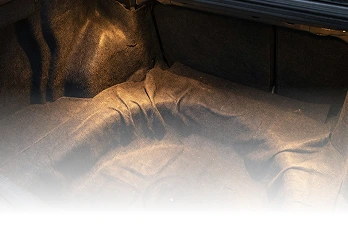
Rippling or creasing under carpet in the trunk or footwells

3

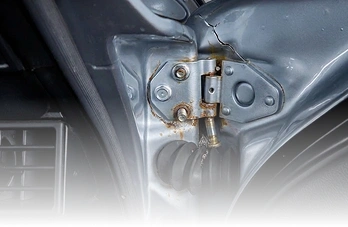
Misaligned door hinges, and visible weld marks or kinks on the frame rails.

Does this car have a clean title history?

Enter the VIN to check salvage records, title brands, and insurance total-loss data across all 50 states.

Run a free salvage title check

Frequently Asked Questions

A salvage title is issued when an insurance company declares a vehicle a total loss. The vehicle is not legal to drive on public roads with a salvage title. A rebuilt title is issued after a salvage vehicle has been repaired and passed a state inspection. It is legal to drive, but the rebuilt designation stays on the title permanently. A Bumper report will show both salvage and rebuilt title history, including any prior salvage designations that were removed when the vehicle was retitled.

A clean title is not the same as a clean history.

Title washing is common enough that checking the current title alone is not sufficient protection. Bumper tracks title history across every state the vehicle has been registered in, not just where it is now.

Run a Bumper Salvage Title Check