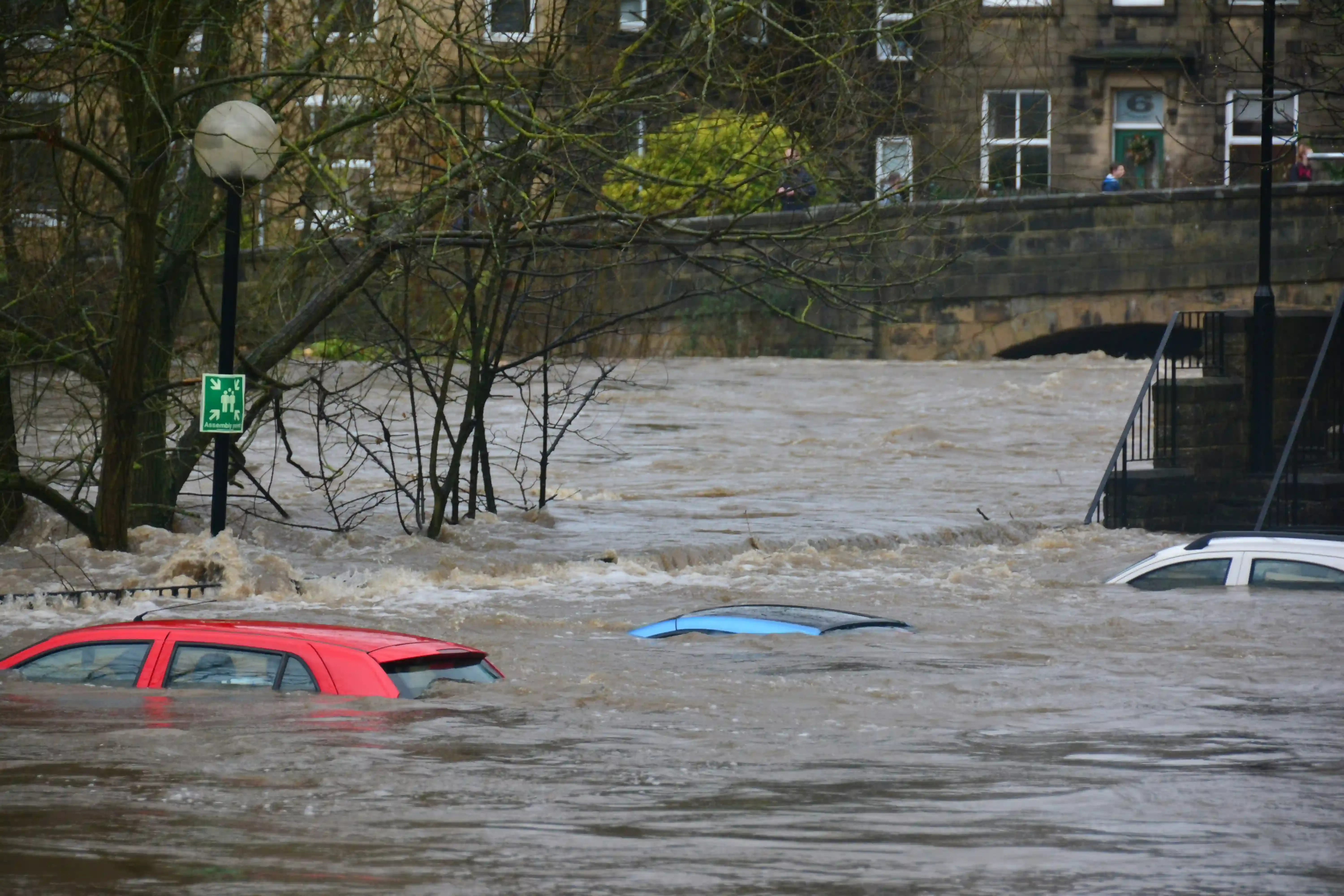
Flood damage is the most dangerous defect in the used car market. Not because it is the most common — though after every hurricane season it becomes dramatically more common — but because it is the most systematically concealed, the most aggressively resold, and the most catastrophically expensive when it fails.
A flooded car can be dried out, detailed, and delivered to a used car lot within weeks of a hurricane. It will start. It will drive. The electronics will work — for now. But water does not leave a car. It hides in the wiring harness, in the seat foam, in the carpet padding, in every sealed connector and relay in the electrical system. Corrosion begins immediately and progresses for years. The failures come later — the electrical shorts, the brake module failures, the airbag systems that deploy unexpectedly or not at all when needed. By the time the failures arrive, the car is yours.
Every year, hundreds of thousands of flood-damaged vehicles enter the used car market following major storm events. Many of them are sold with clean titles — either because the damage was never reported to insurance, or because the title was laundered through a state with looser titling laws, a practice called title washing. The paper may be clean. The car is not.
This is the inspection protocol that finds flood damage regardless of what the paper says. It is part of The Forensic Buyer's Guide and one of the most critical components of the complete used car inspection checklist.
Before the physical inspection, run a VIN check on the vehicle. The report shows geographic registration history — if a car moved from a Gulf Coast or Atlantic state to an inland state within months of a named hurricane event, that movement is a flag worth investigating before you spend time on the physical inspection.
Why Flood Damage Is So Difficult to Detect
Direct answer: Flood damage is difficult to detect because professional detailers can remove visible surface evidence — mud, staining, odor — with a $300–$500 detail job, leaving the car looking and initially smelling clean. The damage that remains is hidden in sealed electrical connectors, inside door panels, beneath carpet padding, in the engine wiring harness, and within the HVAC system. The inspection protocol below targets specifically these concealed locations, not the surfaces that a detail job addresses.
The window for detection narrows over time. A car inspected two weeks after a flood event shows obvious signs — waterlines, mud residue, obvious odor. A car inspected six months after a detail job requires the specific protocol below. A car inspected two years later, after the first round of electrical failures have been "repaired," is the hardest case. The structural evidence is still there if you know where to look.
The 7-Step Flood Damage Inspection Protocol
Step 1: The Geographic and History Check
Direct answer: Before physically inspecting any vehicle, run a VIN check and examine the geographic registration history. A car that was registered in Florida, Texas, Louisiana, South Carolina, or North Carolina — states with significant hurricane and flood exposure — and then moved to an inland state within 12 months of a major storm event fits the profile of a flood car being relocated for resale.
This step does not confirm flood damage. It tells you how carefully to apply the remaining six steps. A car from Seattle that has never been registered south of Portland deserves a thorough inspection — but it has not triggered the specific geographic flag that makes flood damage the primary concern.
Cross-reference the registration timeline against the FEMA major disaster declaration database for the relevant states and dates. Katrina, Harvey, Irma, Ian, and Ida each produced waves of flood-damaged vehicles in the used market in the months following landfall. A car that matches the geographic and timing profile of one of these events warrants the full protocol with heightened scrutiny.
Step 2: The Smell Test
Direct answer: The smell test is the first and most immediately reliable indicator of flood damage. Close all doors and windows, leave the car sitting in direct sunlight for at least ten minutes, then open the door and smell the air that escapes. A flooded car retains mildew, mold, and musty odor in the seat foam, carpet padding, and headliner — materials that hold moisture even after surface drying. An overpowering air freshener or the specific sharp scent of mold inhibitor spray masking an underlying odor is equally telling.
The ten-minute solar soak is not optional. It allows the interior to warm up and concentrate volatile compounds — odors that are faint at ambient temperature become clearly detectable after solar heating. Professional detailers know this and use enzyme sprays and ozone treatments to suppress mold odor. These treatments are effective for weeks to months. They are not permanent. The underlying mold is still present and the odor returns.
What you are smelling for:
- Mildew — a damp, earthy, slightly sour smell
- Must—a stale, heavy, closed-up smell distinct from normal "old car" odor
- Mold inhibitor spray — a sharp, chemical smell that seems designed to cover something
- New carpet or seat material — a sign that flood-soaked originals were replaced, not cleaned
Step 3: The Seat Rail Audit
Direct answer: Slide both front seats all the way forward and examine the metal seat track rails bolted to the floor. The seat rails sit at one of the lowest points in the vehicle interior and are not reachable by a detailer's equipment. In a car that has never flooded, the rails are clean painted or bare metal. In a flood car, they show rust, white mineral deposits from evaporated water, or a distinctive orange-brown corrosion pattern.
This is the single most reliable interior flood indicator because it is the one surface that a professional detail job structurally cannot reach. The seat rails are recessed, partially covered by seat hardware, and positioned in exactly the location where floodwater sits longest. Detailers clean the seats. They cannot clean the rails beneath them.
How to perform the seat rail audit:
- Slide the driver's seat fully forward
- Crouch and look at the full length of both rail tracks on the driver's side
- Use a flashlight to examine the metal surface — look for rust, white mineral deposits, or corrosion that looks different from normal painted metal
- Repeat on the passenger side
Step 4: The Carpet and Padding Inspection
Direct answer: Pull back the corner of the floor mat on both front and rear positions. Examine the carpet padding — the foam layer beneath the carpet surface. Flood cars retain moisture in the padding long after the carpet surface has dried completely. Flood-affected padding is stiff, discolored to brown or grey, may show a visible waterline, and may feel slightly damp even months after the event.
The four-corner test:
- Driver's front floor
- Passenger front floor
- Driver's rear floor
- Passenger rear floor
Flood damage is rarely perfectly uniform. Check all four positions — a car that took on water from the driver's side first may show more severe padding damage on that side.
Additionally, look at the carpet itself along the door sills — the lowest carpet edge where the floor meets the door frame. A waterline — a faint discoloration line running horizontally across the carpet at the height the water reached — sometimes survives even aggressive detailing.
Step 5: The Electrical and Electronics Test
Direct answer: Flood damage destroys electrical systems progressively — connectors corrode, wiring insulation degrades, control modules fail. Test every electrical system in the vehicle systematically before purchase. Systems that function today may fail within months. Systems that malfunction today indicate corrosion has already reached the point of functional failure.
The complete electronics test sequence:
All power windows — up and down on every door. Slow or hesitant window operation indicates motor corrosion or wiring resistance from moisture ingress.
All door locks — lock and unlock from every switch position. Intermittent locking failure is an early flood damage indicator.
Both exterior mirrors — fold, unfold, and adjust in all directions.
Climate control — test heat, air conditioning, and every fan speed setting. HVAC systems draw air through the cabin and accumulate moisture in the evaporator housing — a common mold growth site in flood cars.
All dashboard warning lights — turn the key to accessory position and verify every warning light illuminates during the bulb test, then clears at startup. Flood damage can affect control modules that then generate persistent fault codes — watch for any warning lights that stay on.
Audio and infotainment system — power on, test all inputs, verify display function.
Backup camera — reverse and verify the image is clear, without fogging or water spots inside the camera housing.
Heated seats — if equipped, verify both seats heat within 60 seconds.
Step 6: The Trunk and Spare Tire Well Inspection
Direct answer: Lift the trunk floor mat and examine the spare tire well — the recessed area beneath it. The spare tire well is one of the lowest points in the entire vehicle and the last place flood water drains from. It is also completely invisible during a casual inspection and largely inaccessible to a detail job. Rust, waterline staining, or standing moisture in the spare tire well is one of the most definitive flood indicators available without a lift. Also check the trunk tools, such as the jack, for signs of rust.
What to check:
- The metal surface of the spare tire well — look for rust, waterline marks, or white mineral deposits
- The drain plug at the bottom of the well — some vehicles have drain plugs; evidence of recent drainage is worth noting
- The underside of the trunk floor mat — look for moisture, mold, or waterline staining on the mat's underside
- The trunk weatherstripping — the rubber seal around the trunk opening traps moisture and shows mold growth in flood cars
Step 7: Under-Hood Electrical Inspection
Direct answer: Flood damage in the engine bay concentrates in the wiring harness — the bundled cables running along the firewall and engine components. Look for white mineral deposits on electrical connectors, corrosion at connector junction points, and replacement wiring that looks newer than surrounding components.
What to inspect:
The main wiring harness — the large bundled cable running along the firewall on the passenger side. Look at the connectors and junction blocks for white or green corrosion deposits.
Individual connector plugs throughout the engine bay — particularly the ECU connectors, fuse box connectors, and sensor plugs. Flood water infiltrates sealed connectors through capillary action and leaves mineral deposits as it evaporates.
The fuse box — open both the engine bay fuse box and the interior fuse box. Look for corrosion on the fuse contacts and relay terminals. Corroded fuses and relays indicate the box was submerged.
Ground straps and junction points — flood water accelerates galvanic corrosion at every point where dissimilar metals meet under an electrical charge.
What Flood Damage Does to a Car Over Time
Understanding the failure timeline helps you assess risk even on a car that passes the initial inspection.
Immediately: Mold growth begins within 24–48 hours of flooding. Interior odor develops within days.
Weeks to months: Electrical connector corrosion begins to cause intermittent faults. Power window motors, door lock actuators, and sensor inputs start showing unreliable behavior.
Six months to two years: Major electrical system failures emerge — ABS modules, airbag control units, transmission control modules, and engine management systems begin failing as corrosion penetrates sealed connectors. These repairs cost $500–$3,000 per module.
Two to five years: Structural corrosion becomes visible in floor pan sections, subframe mounting points, and suspension components. Brake lines corrode from the inside. Safety systems become unreliable.
There is no repair that fully restores a flood-damaged vehicle. Professional flood remediation can extend the vehicle's functional life, but it cannot reverse corrosion that has already begun inside sealed components. A flood car is a car on a timeline.
The Title Question: Flood Titles and Title Washing
Not all flood-damaged cars have flood-branded titles. Whether a flood title is issued depends entirely on whether an insurance claim was filed. A car that flooded and was repaired out of pocket — or a car whose owner filed no claim — may have a completely clean title.
Additionally, even a properly branded flood title can be laundered through a process called title washing — re-registering the vehicle in a state with different titling laws that do not recognize the out-of-state brand. The result is a car with documented flood history that is legally titled clean in its new state.
This is why the physical inspection protocol matters more than the title. The title tells you what was reported. The inspection tells you what happened.
Should You Buy a Flood-Damaged Car?
Direct answer: No — with a narrow exception for professionally remediated vehicles at deeply discounted prices where the damage is fully disclosed, documented, and reflected in a flood or rebuilt title. For any vehicle where flood damage is discovered during inspection but not disclosed by the seller, walk away. The liability, repair costs, and safety risks of an undisclosed flood vehicle are not manageable through negotiation.
The exception — disclosed, professionally remediated, titled correctly — exists because some buyers knowingly purchase flood vehicles for parts, for track use, or at steep discounts knowing the risks. That is an informed decision. Buying a flood vehicle unknowingly is not.
If you discover flood indicators during inspection on a car represented as clean and undamaged, the discovery itself tells you something important about the seller's honesty. That information is relevant beyond this specific vehicle.
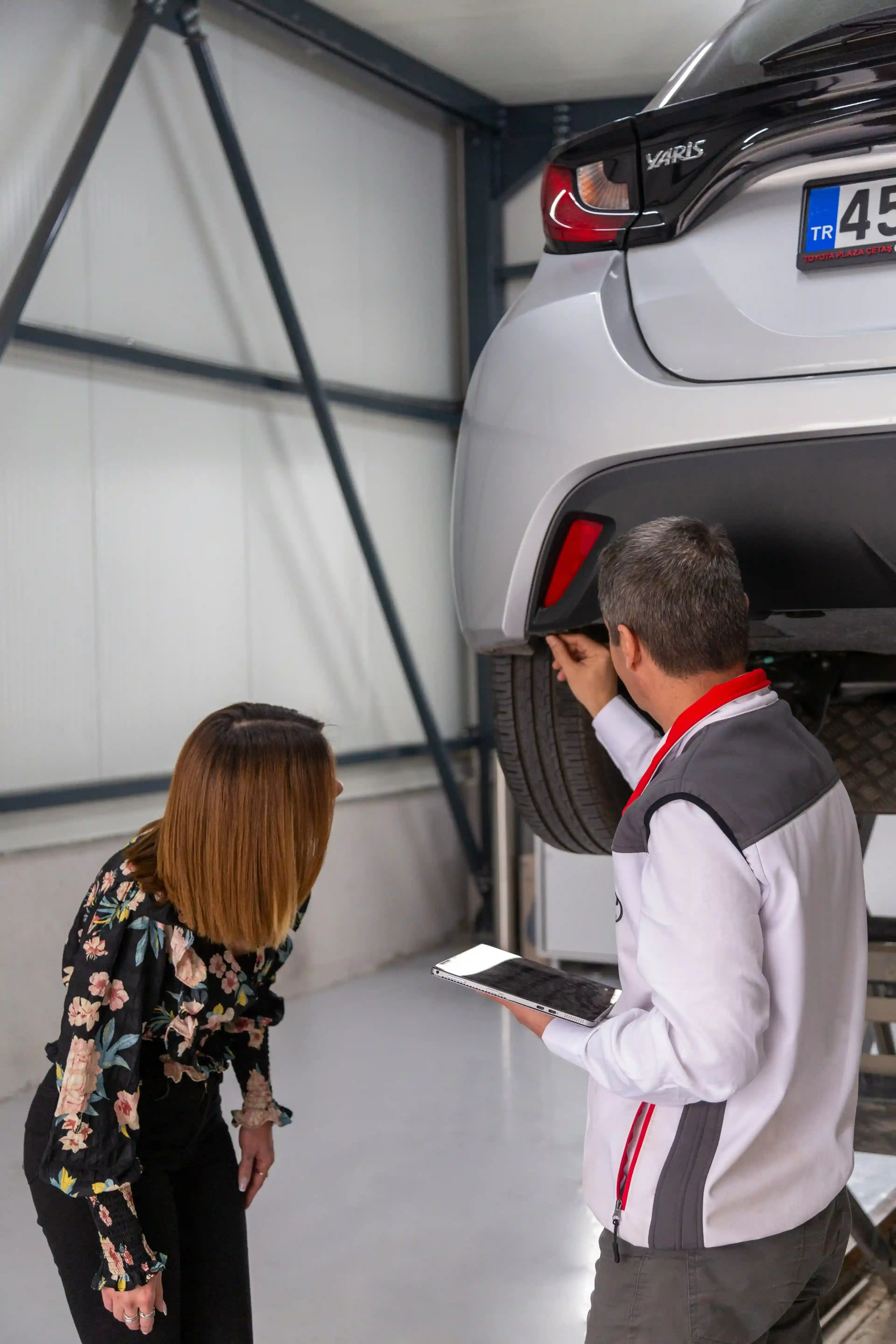
The Pre-Purchase Inspection: The Best $150 You Will Ever Spend
A pre-purchase inspection (PPI) is a mechanic’s check before buying. It reveals hidden issues and is the highest-value step to avoid costly surprises.
Frequently Asked Questions
Next up
Used Car Interior Inspection: The Complete Guide to What the Cabin Reveals
Interior condition reveals wear, safety issues, and hidden damage. Learn what to check to avoid risk and assess true value before buying.