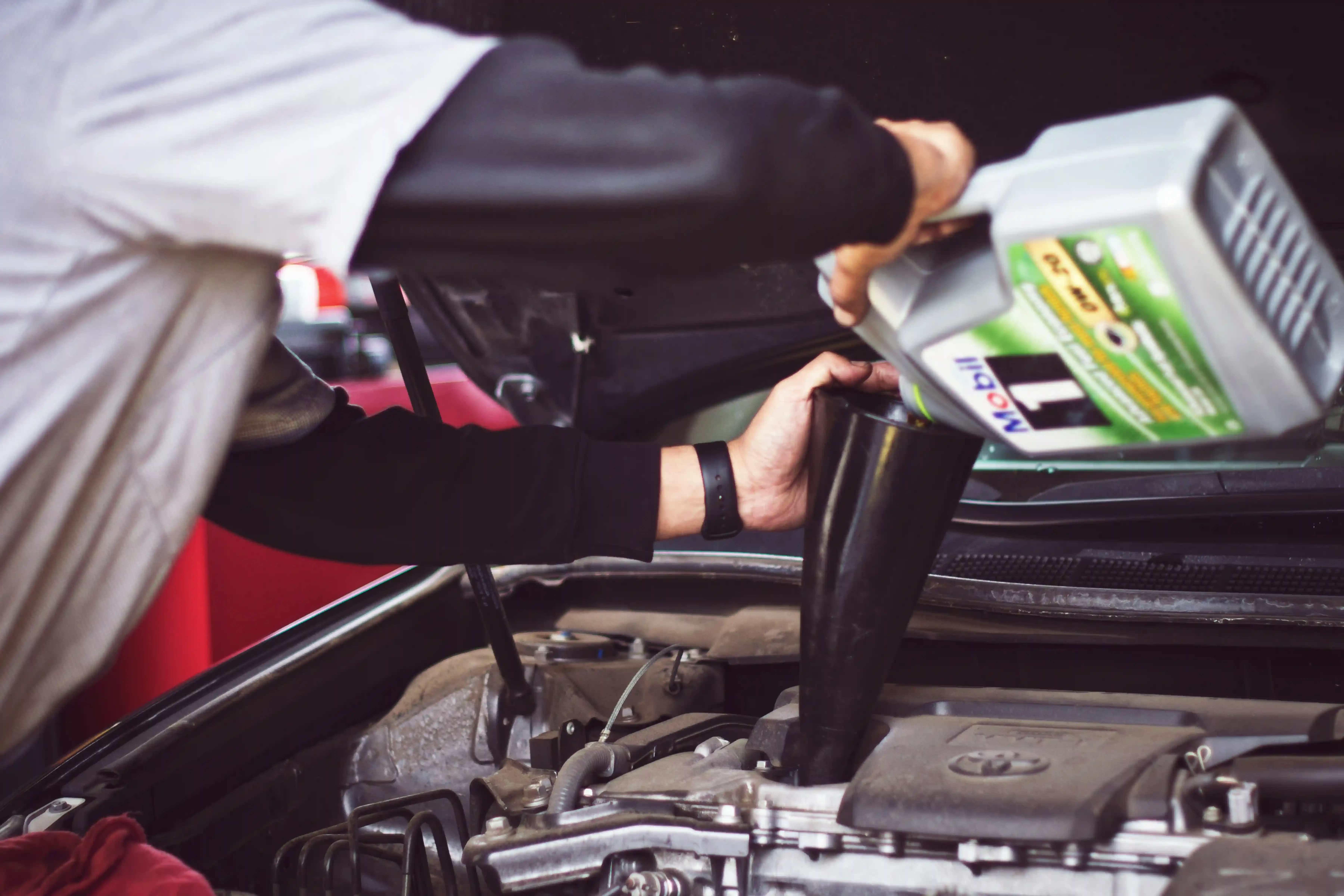
Regular maintenance is the single highest-return investment in a vehicle's long-term reliability and resale value. The math is straightforward: a $40 oil change prevents a $4,000 engine repair. A $25 cabin air filter keeps HVAC components working. A $150 timing belt replacement prevents an engine replacement.
The challenge is knowing what needs to happen and when — particularly for drivers who didn't buy the car new and may not know what service history exists. This guide covers the full maintenance timeline from oil changes to 100,000-mile intervals, and how to determine where your vehicle stands today.
This is part of the Total Ownership Guide.
How Maintenance Intervals Work
Modern vehicles use two systems to communicate maintenance needs:
Mileage-based intervals: The traditional approach — service items are due at specific odometer milestones (every 5,000 miles, every 30,000 miles, etc.). Your owner's manual specifies these intervals for your exact vehicle.
Time-based intervals: Some service items degrade with age regardless of mileage. Brake fluid, coolant, and timing belts all have time-based replacement schedules alongside mileage thresholds — whichever comes first applies.
Oil life monitoring systems: Most vehicles built after 2010 have an oil life monitor that calculates oil change intervals based on actual driving conditions — cold starts, short trips, load, and temperature — rather than a fixed mileage interval. These systems are generally accurate; follow the monitor over a fixed mileage schedule if your vehicle has one.
The owner's manual is the authoritative source. Maintenance schedules vary significantly by manufacturer, engine, and even trim level. The intervals below are general industry guidelines — your manual may specify different intervals for your specific vehicle.
The Full Maintenance Timeline
Every 3,000–7,500 Miles (or Per Oil Life Monitor)
Engine oil and filter: The most important maintenance item. Conventional oil: 3,000–5,000 miles. Synthetic oil: 5,000–10,000 miles (or per monitor). The oil change guide covers oil types, DIY vs. shop considerations, and how to read your oil life monitor.
Tire pressure check: Monthly or at every fuel stop. Underinflated tires increase fuel consumption, accelerate wear, and reduce handling. Check when cold — tire pressure rises with heat from driving.
Visual inspection: Walk around the vehicle and look. Fluid spots under the car, tire wear patterns, lights that aren't functioning. Takes two minutes and catches developing problems early.
Every 15,000–20,000 Miles
Cabin air filter: Filters the air entering the HVAC system. A clogged cabin filter reduces airflow, strains the blower motor, and degrades air quality. Replacement is typically a 5-minute DIY job and costs $15–$30 in parts.
Engine air filter: Filters combustion air entering the engine. Dirty air filters reduce fuel efficiency and, in severe cases, can cause running issues. Inspect at 15,000–20,000 miles; replace when visibly dirty or at 30,000 miles.
Tire rotation: Rotating tires between positions equalizes wear across all four, extending overall tire life. Most manufacturers recommend every 5,000–7,500 miles — often done at each oil change. If you have been skipping rotation, resume it at your next service.
Every 30,000 Miles
Brake fluid: Brake fluid is hygroscopic — it absorbs moisture from the air over time, lowering its boiling point and reducing braking effectiveness. Most manufacturers recommend replacement every 2 years or 30,000 miles. This service is frequently deferred and frequently needed.
Fuel filter (if external): Many modern vehicles have a fuel filter integrated into the fuel pump assembly inside the tank, with no serviceable interval. Vehicles with an external inline fuel filter typically specify replacement at 30,000 miles.
Spark plugs (standard copper): Conventional spark plugs wear at approximately 30,000 miles. Iridium or platinum plugs last 60,000–100,000 miles — check your owner's manual to know which type your engine uses.
Transmission fluid (automatic, normal duty): Many manufacturers specify 30,000–60,000 mile intervals for automatic transmission fluid under normal conditions. Some newer transmissions are designated "filled for life" — verify whether your transmission has a serviceable interval.
Battery inspection: Have the battery tested at 3–4 years of age. Most batteries last 3–5 years; a battery test takes minutes and identifies one approaching failure before it strands you.
Every 60,000 Miles
Spark plugs (long-life iridium/platinum): If your engine uses long-life spark plugs, the 60,000-mile mark is typically the first replacement interval. Confirm with your manual.
Coolant flush: Coolant degrades over time, losing its corrosion inhibitors and pH buffering. Most manufacturers recommend a full flush and refill every 5 years or 60,000 miles. Running degraded coolant accelerates corrosion of cooling system components.
Transmission fluid (severe duty or older vehicles): If you use your vehicle for towing, hauling, or frequent stop-and-go driving, transmission fluid intervals are shorter. The severe duty maintenance guide covers adjusted intervals for demanding use.
Serpentine belt inspection: The serpentine belt drives the alternator, power steering pump, and air conditioning compressor. Inspect for cracking, fraying, or glazing at 60,000 miles; replace if showing wear. Belt failure strands the vehicle.
Brake pads inspection: Brake pad life varies enormously by driving style and vehicle weight — 30,000 to 70,000 miles is normal range. Inspect pad thickness at 60,000 miles and at every tire rotation. Squealing indicates wear indicators; grinding indicates metal-on-metal contact and rotor damage.
Every 90,000–100,000 Miles
Timing belt (if equipped): This is the highest-stakes maintenance item on vehicles that have one. A timing belt drives the camshaft in synchronization with the crankshaft — when it fails, engine damage is typically catastrophic and expensive. Most timing belt intervals are 60,000–105,000 miles depending on manufacturer. Verify whether your engine has a timing belt or a timing chain. Chains are generally maintenance-free; belts must be replaced proactively.
Spark plugs (second replacement): For standard plugs, second replacement. For long-life plugs, first or second replacement depending on type.
Power steering fluid: Older hydraulic power steering systems benefit from periodic fluid changes. Electric power steering (standard on most post-2010 vehicles) has no fluid service.
Differential and transfer case fluid (AWD/4WD vehicles): Four-wheel and all-wheel drive systems have additional fluid service requirements. Verify intervals in your owner's manual — most specify 30,000–60,000 miles for differential fluid under normal conditions.
See the 100k mile maintenance guide for a complete walkthrough of the high-mileage milestone service.
Adjusting for Driving Conditions
The intervals above assume "normal" driving — primarily highway miles, moderate temperatures, standard loads. Many drivers operate under conditions that shorten intervals:
- Primarily short trips (under 5 miles)
- Extreme temperature climates
- Dusty or off-road environments
- Frequent towing or hauling
- Stop-and-go city driving
If your driving fits these descriptions, you are operating under "severe" or "extreme" conditions by most manufacturers' definitions, and maintenance intervals should be shortened accordingly. The severe duty maintenance guide covers these adjustments in detail.
If You Don't Know Your Vehicle's Service History
Buying a used vehicle means inheriting an unknown service history — or a known one that may not be complete. Before establishing a going-forward schedule, determine where you actually stand:
Run a VIN check: A Bumper VIN check surfaces service records, odometer history, and any reported maintenance that was logged with a dealership or service chain. It won't capture every independent shop visit, but it establishes what is documented.
Assume the worst on fluid-based services: If you cannot confirm that transmission fluid, coolant, or brake fluid have been changed, treat them as overdue. The cost of changing fluid you didn't need to change is negligible. The cost of skipping a change that was actually overdue can be significant.
Start the clock fresh: Once you have completed the catch-up services, you have a known baseline. From that point, follow your owner's manual intervals. The vehicle service history log covers how to track ongoing maintenance effectively.
Does Dealer Maintenance Protect Your Warranty?
Direct answer: No — you are not required to have maintenance performed at a dealership to maintain your factory warranty. The Magnuson-Moss Warranty Act prohibits manufacturers from voiding warranties solely because maintenance was performed by a non-dealer shop, as long as the maintenance meets the manufacturer's specifications.
What you must do: follow the manufacturer's maintenance schedule and use fluids and parts that meet manufacturer specifications. Keep records. If a warranty claim arises and the manufacturer alleges that improper maintenance caused the failure, documentation of proper maintenance performed elsewhere is your defense.
Maintenance Is Cheaper Than Repair
Every major repair that stems from deferred maintenance costs more than the cumulative maintenance it replaced. A timing belt replacement is $500–$900. The engine repair after a timing belt failure is $3,000–$8,000. A coolant flush is $100–$150. A blown head gasket from neglected coolant is $1,500–$3,000.
Follow the schedule. Keep the records. The vehicle will last longer, cost less over time, and be worth more when you sell it.