Compare Cars Side by Side
Search by Year, Make, Model and Trim, or by VIN
Compare vehicles by:
Installed Packages
—Installed Packages
—Installed Packages
—What is a VIN?
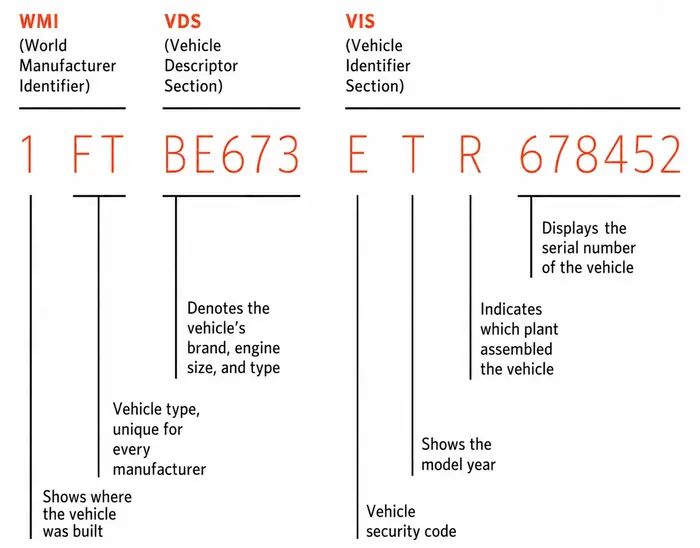
A Vehicle Identification Number (VIN) is the 17-character identifier for your car, truck or motorcycle. It looks like this: 1VXBR12EXCP901213, and encodes the vehicle's manufacturer, features and serial number (the VIN Decoder below can decode this information). No two vehicles have the same VIN, so it serves as your car's fingerprint—this allows for all reports of accidents, title problems, insurance incidents, and more to be tracked through each vehicle's VIN.
WMI
World Manufacturer Identifier
1FT
VDS
Vehicle Descriptor Section
BE673
VIS
Vehicle Identifier Section
ETR678452
Track your car’s market value, recalls, history and more!
What does a VIN comparison reveal?
When you're deciding between used cars, the specs on a listing don't tell you the full story. Two cars with the same year, make, and model can have completely different trim levels, engine options, factory equipment, and histories. Bumper lets you compare up to three vehicles side by side — enter VINs or search by year, make, and model to see exactly what each one was built with.
A side-by-side VIN comparison reveals:
- Trim level and factory equipment — confirm whether the car actually has the features the seller claims
- Engine and drivetrain differences — V6 vs V8, FWD vs AWD, between two "identical" vehicles
- Fuel economy differences — compare real EPA ratings side by side
- Safety recall status — see which vehicles have open recalls that need immediate repair
- Transmission and towing specs — relevant for trucks and SUVs where specs vary widely by trim
- Manufacturing details — plant of origin and production date
Specs tell you what a car was built with. For what's happened to it since — Run a full VIN check
Only researching one vehicle?
Frequently Asked Car Comparison Questions
What's the difference between a VIN comparison and a vehicle history report?


A VIN comparison shows how two vehicles differ in factory specs and equipment side by side. A full vehicle history report goes deeper on a single vehicle — showing complete accident records, title brands, ownership history, and odometer readings.
Get a full vehicle history report
How can I compare fuel efficiency between vehicles?
To compare fuel efficiency, look for each vehicle's estimated miles per gallon (MPG) or MPGe for both city and highway driving. Higher MPG or MPGe figures indicate better fuel efficiency.
What factors should I consider when comparing vehicle safety?
Consider crash test ratings from organizations such as the National Highway Traffic Safety Administration (NHTSA) and the Insurance Institute for Highway Safety (IIHS). Also, review the available safety features, such as airbag types, anti-lock brakes (ABS) and brake types (disc or drum), stability control, and advanced driver-assistance systems (ADAS) like blind-spot monitoring, backup cameras, and forward collision warning.
How should I compare vehicle interiors?
Evaluate the quality of materials, comfort and adjustability of seating, cargo capacity, and available features like infotainment systems, climate control, and smartphone connectivity. Taking a test drive can help you assess the interior firsthand for quietness, ergonomics, and the user interface of vehicle infotainment systems.
What should I look for when comparing vehicle prices?
Compare the Manufacturer's Suggested Retail Price (MSRP), dealer invoice prices, and any available incentives or rebates. Don't forget to factor in ownership costs, such as insurance, maintenance, and fuel expenses.
How important is resale value when comparing vehicles?
Resale value is essential if you plan to sell or trade in your vehicle in the future. A Bumper subscription provides ongoing resale value and depreciation estimates, but you should also consider factors like brand reputation, reliability, and market demand.
Should I consider leasing or financing when comparing vehicles?
Consider your budget, driving habits, and long-term plans when deciding between leasing and financing a vehicle. Leasing typically offers lower monthly payments but requires returning the vehicle at the end of the lease, while financing allows you to own the car once the loan is paid off.
Comparing cars side by side can not only streamline your research but also empowers you to make an informed decision for your next vehicle with confidence. Whether you're evaluating electric vehicles against gas-powered counterparts or exploring options within a specific vehicle class, (or doing a year by year comparison of the same model) our comprehensive car comparison breakdown will guide you toward the ideal choice for your lifestyle, driving habits and budget.
With Bumper’s side-by-side vehicle comparison, we'll explore crucial factors like fuel efficiency, safety, performance, reliability, interior options, available MSRP info, cost of ownership estimates, and more. By assessing each of these elements, you can gain a thorough understanding of the vehicles in question, enabling you to make a confident choice for your next automotive purchase.
If you need to find out more about a specific vehicle you’re interested in, try our VIN lookup and license plate search.
When comparing an electric vehicle (EV) to a gas-powered vehicle, consider the following factors:
- Fuel efficiency and operating costs: EVs are generally more energy-efficient than gas-powered vehicles, resulting in lower fuel costs. Calculate the cost per mile for both types of vehicles based on current electricity and gas prices in your area. Additionally, EVs often have lower maintenance costs due to fewer moving parts and no need for oil changes.
- Environmental impact: EVs produce zero tailpipe emissions, which can be beneficial for air quality and reducing greenhouse gas emissions, especially if the electricity comes from renewable sources. Gas-powered vehicles emit carbon dioxide and other pollutants during combustion, contributing to climate change and air pollution.
- Range: EVs typically have a shorter driving range compared to gas-powered vehicles, but this gap is narrowing as battery technology improves. Consider your driving habits and whether an EV's range would be sufficient for your needs. Also, take note of the availability of charging stations along your typical routes.
- Charging time and infrastructure: EVs require charging, which can take anywhere from 30 minutes (using a fast charger) to several hours (using a Level 2 charger). Assess the availability of public charging stations in your area, as well as the feasibility of installing a home charging station if needed.
- Performance: EVs generally offer instant torque and smooth acceleration, which can make them more enjoyable to drive. Gas-powered vehicles may have more varied performance characteristics depending on their engine type and configuration.
- Government incentives and tax credits: Many states offer incentives, rebates, or tax credits for purchasing an EV, which can help offset the initial cost outside of those offered in the form of a tax credit for certain electric vehicles that qualify.
- Purchase price: EVs often have higher upfront costs compared to gas-powered vehicles, but this can be offset by lower operating and maintenance costs over time.
- Variety: While the number of available EV models is increasing, there are still more gas-powered vehicle options across different body styles and price points.
- Resale value: As the EV market matures, resale values are improving. However, the resale value of an EV can be influenced by factors such as battery degradation, which may vary depending on usage and charging habits.
- Adaptability to future changes: With a global shift toward renewable energy and stricter emissions standards, EVs may be better positioned to adapt to these changes compared to gas-powered vehicles, especially with the advent of over-the-air updates popularized by Tesla and adopted by other new EV and established automakers such as Rivian, Ford, and more.
At the end of the day, when comparing specific EVs and gas-powered vehicles, it's important to consider your driving habits, budget, and personal preferences in addition to these factors!
All you need to go from comparing cars to getting behind the wheel
Whether you’re buying, selling, or researching cars side by side, Bumper can help you get informed.

Vehicle history reports
Search for previous accidents, salvage records, recalls, and more with Bumper vehicle history reports
Run a history report
Get cash for your car
Monitor your vehicle with My Bumper to receive alerts on market value changes and ways to save money
Get an instant offer